


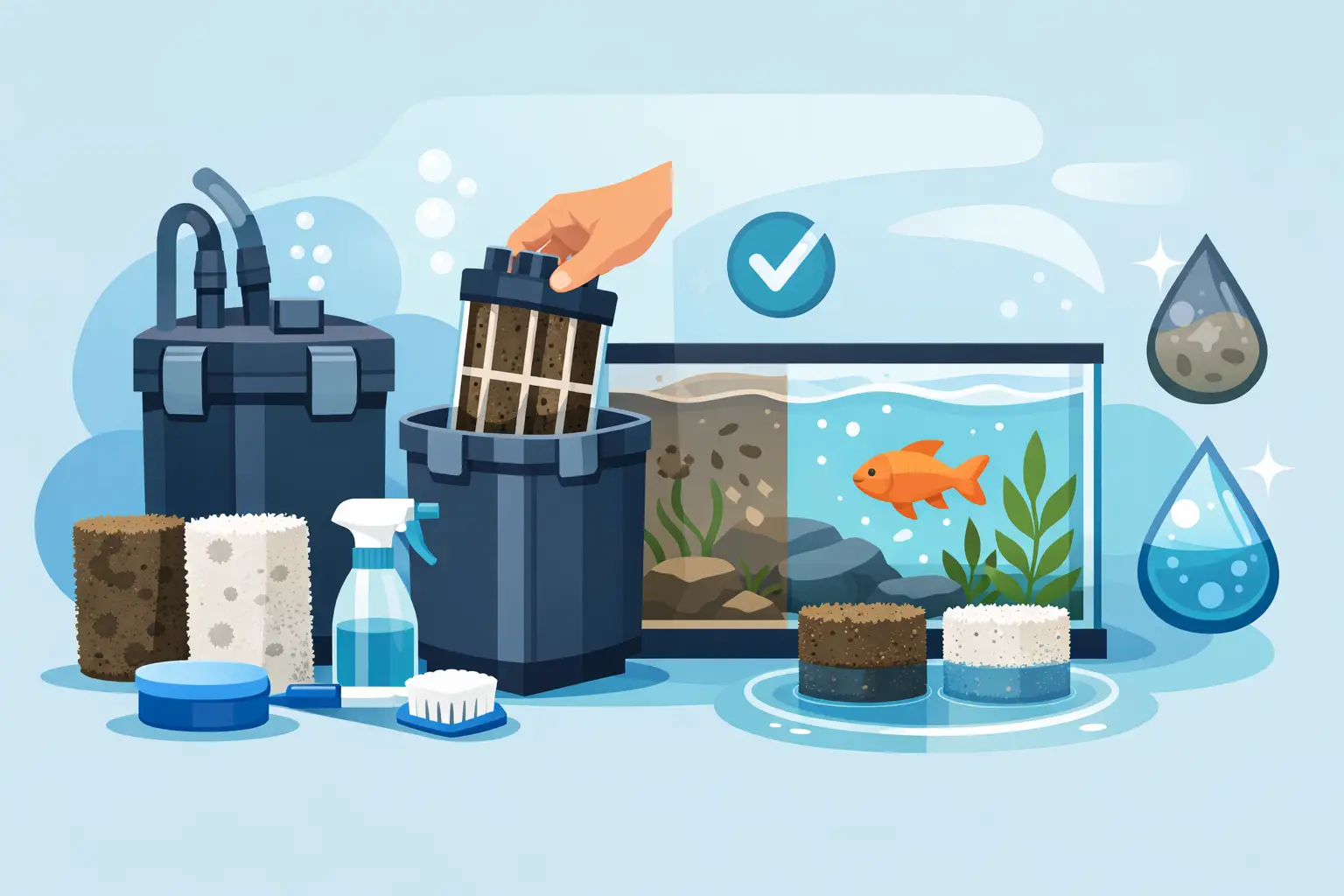
A tank filter that looks clean from the outside can still be restricting water flow or allowing fine sediment through. Knowing how often to clean tank filters helps protect your pump, maintain reliable pressure and keep stored rainwater in better condition for household, farm or commercial use.
There is no single cleaning interval that suits every water tank system. A rural property beneath gum trees will load filters far faster than a suburban roof with clean gutters. The right schedule depends on the filter type, rainfall, roof catchment, water demand and whether the water is used for gardens, stock, toilets or drinking.
How often should you clean tank filters?
For most rainwater tank systems, inspect filters every one to three months and clean them when debris or sediment is visible. This is a practical starting point, not a fixed rule. During dry, dusty weather, after storms, or through periods of heavy rainfall, checks may need to be more frequent.
Pre-tank filters, such as leaf strainers and first-flush screens, generally need the most attention. They are the first line of defence against leaves, insects, roof grit and other material entering the tank. On properties surrounded by trees, inspect these monthly and after any major wind event.
Cartridge filters installed after the tank usually require replacement rather than simple cleaning, depending on the cartridge material and manufacturer instructions. A washable sediment filter may be rinsed and reused, while a pleated or carbon cartridge can lose performance as it blocks up and should be replaced at the recommended interval. For many household systems, this is commonly every three to six months, but high water use or dirty source water can shorten that period considerably.
If you have a multi-stage filtration system, do not assume every filter needs servicing at the same time. The sediment filter normally blocks first, while carbon and UV components have their own maintenance requirements. Keeping a basic service record makes it much easier to identify the schedule that suits your property.
The filter type changes the cleaning schedule
A water tank filtration system can include several components, each with a different job. Treating them all alike can either create unnecessary work or leave a weak point in the system.
Gutter guards, leaf strainers and inlet screens
These filters stop larger debris before it reaches the tank. Check them monthly in leafy areas and after storms. Clean them sooner if water is overflowing from the gutter, bypassing the screen or carrying visible debris into the inlet.
A blocked inlet screen can reduce the amount of rainwater harvested when you need it most. It can also allow water to back up in gutters, placing extra stress on fittings and increasing the chance of dirty water entering through an overflow or poorly sealed opening.
First-flush diverters
A first-flush device diverts the first, dirtiest runoff from the roof away from the tank. It should be checked every few months and emptied or cleaned when sediment builds up. If the drain valve becomes blocked, the device may not reset properly between rainfall events.
On a coastal property, salt spray and fine airborne debris can add to the load. On rural properties, dust, pollen and bird droppings are often the bigger issue. Either way, a first-flush diverter only works as intended when it is free to drain and seal correctly.
Sediment cartridge filters
Sediment cartridges capture fine particles before water reaches taps, appliances, UV equipment or a pressure pump. Inspect the housing at least monthly. Replace or clean the cartridge when it becomes discoloured, water pressure drops, or the pressure gauge shows a significant difference between the inlet and outlet sides of the filter.
Do not wait until the flow nearly stops. A heavily blocked filter makes the pump work harder and can create frustrating pressure changes at showers, taps and troughs. It may also lead people to assume the pump is failing when the filter is the actual cause.
Carbon filters and UV systems
Carbon filters improve taste and odour and can reduce certain contaminants, but they are not generally designed for repeated washing. Follow the stated service life and replace them on time. Once exhausted, a carbon cartridge may still look normal while no longer performing its intended role.
UV systems need clean water to work effectively, so the sediment filter before the UV unit is particularly important. The UV lamp and sleeve also need routine servicing. A cloudy sleeve or ageing lamp reduces treatment performance even if the water continues to flow normally.
What makes tank filters block faster?
Your cleaning routine should respond to conditions on site. Roof catchment is a major factor. Corrugated roofs with built-up dust, overhanging branches or active bird life will produce dirtier runoff than a clean, well-maintained roof. Large roofs can also deliver a high volume of debris very quickly during the first heavy rain after a dry spell.
Water use matters too. A filter supplying a family home, irrigation line or dairy wash-down area processes much more water than one used occasionally for garden taps. Higher demand means more frequent checks, particularly where a pump feeds the system continuously.
Tank condition also plays a part. Sediment can accumulate at the base of older tanks, especially where pre-tank screening has been poor. If sediment is regularly reaching the outlet filter, the tank may need professional cleaning or the outlet arrangement may need review. Replacing cartridges more often without addressing the source of the sediment only treats the symptom.
Signs your tank filter needs attention now
A calendar reminder is useful, but the system will usually tell you when a filter is overdue. Watch for these common warning signs:
- Noticeably lower pressure at taps, showers, troughs or irrigation outlets.
- A pump that runs longer than usual or cycles more often to maintain pressure.
- Dirty, cloudy or discoloured water after rainfall or when the tank level is low.
- A visible build-up of leaves, insects, sludge or sediment in screens and filter housings.
- Changes in water taste or odour, particularly where carbon filtration is installed.
Low pressure is not always a filter issue. A pump fault, air leak, blocked pipe, pressure controller problem or low tank level can produce similar symptoms. However, checking the filter first is a sensible, low-cost step before assuming a larger repair is needed.
A practical cleaning routine for tank filters
Before opening any post-tank filter housing, switch off the pump and isolate the water supply where valves are fitted. Release pressure carefully according to the equipment instructions. Keep the work area clean, especially when servicing filters that supply drinking water.
For washable screens and strainers, remove debris by hand, rinse with clean water and inspect for cracks, damaged mesh or distorted seals. Avoid aggressive scrubbing that can enlarge mesh openings or damage plastic components. Refit the screen securely so insects and debris cannot bypass it.
For cartridge housings, check the O-ring whenever the housing is opened. Clean the sealing surface, lubricate the O-ring only with a suitable food-grade lubricant if required, and make sure it is seated correctly before tightening. A pinched or dry O-ring can cause a slow leak that is easily missed until the pump begins cycling.
When fitting a new cartridge, flush the system as required by the cartridge instructions before using the water. This is particularly relevant for carbon cartridges, which can release harmless fine particles when first installed. Record the date directly on the filter housing or in a maintenance log.
Do not overlook the tank itself
Clean filters cannot compensate for a poorly maintained tank. Keep the lid sealed, inspect mosquito screens, maintain gutters and make sure overflows are screened. These simple measures reduce the amount of debris entering the system and extend the working life of cartridges, pumps and UV equipment.
If water remains dirty despite regular filter changes, if there is heavy sediment in the tank, or if a system has not been serviced for years, it may be time for a more thorough inspection. North Coast Water Tanks can help property owners assess tank cleaning, filtration and pumping requirements as part of a practical whole-system solution.
A regular filter check takes far less time than chasing poor pressure or contaminated water after the fact. Set your first reminder, inspect after the next decent rain, and adjust the schedule to what your roof, tank and water demand are actually telling you.