


If your water has an odd taste at the kitchen tap, leaves sediment in the laundry sink, or you are relying on tank water for everyday household use, a whole house water filtration system stops being a nice extra and starts looking like essential infrastructure. The right setup protects plumbing, improves water quality across the property, and gives you a more reliable supply for drinking, bathing, washing, and general use.
For many Australian households, especially on acreage, rural blocks, and rainwater-fed properties, water quality is rarely a one-size-fits-all issue. What works in town supply may not suit tank water. What suits a small home may be underdone for a larger household, shed, workshop, or mixed domestic and agricultural setup. That is why filtration needs to be matched to the source, the demand, and the level of treatment required.
What a whole house water filtration system actually does
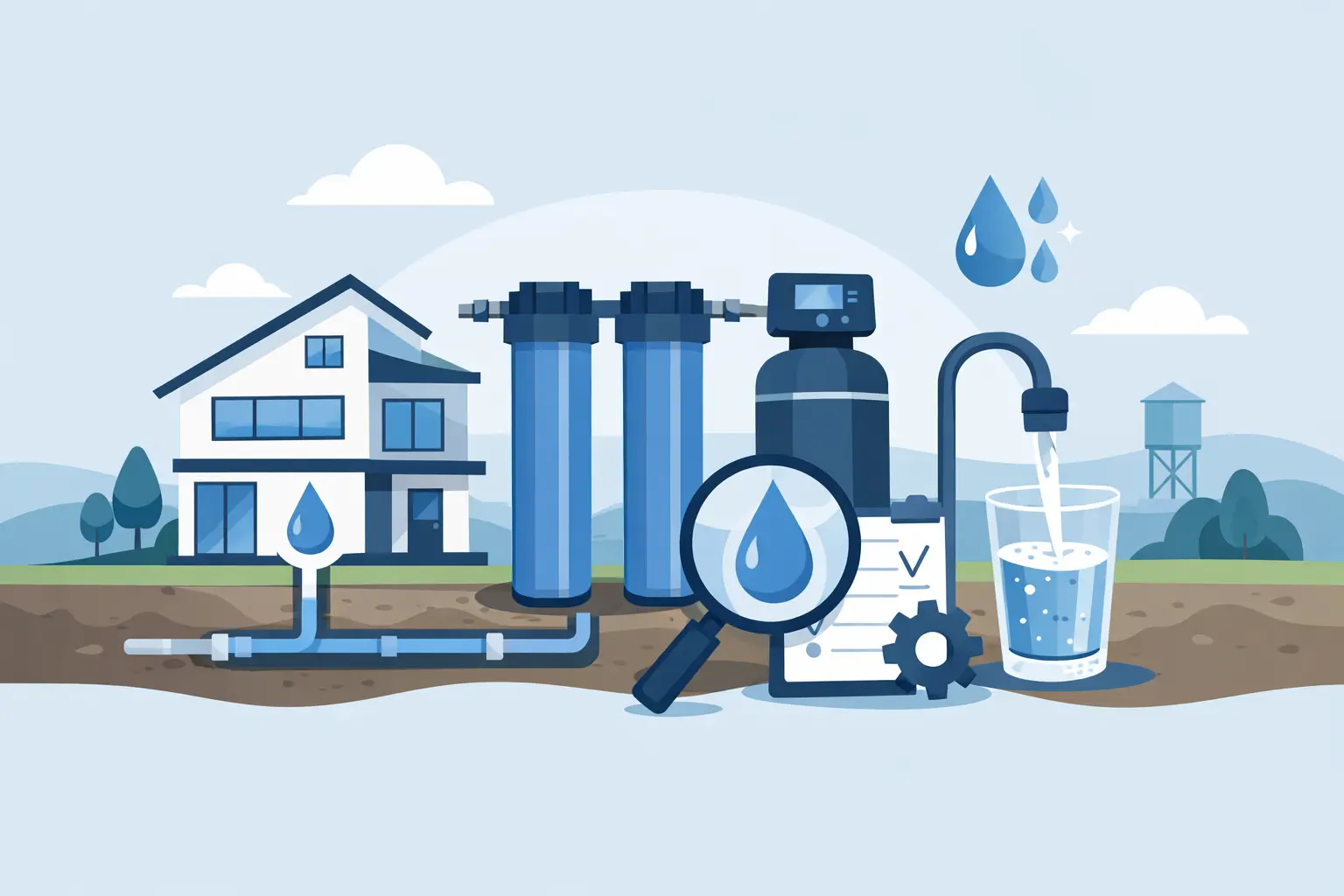
A whole house water filtration system treats water at the point it enters the building or service line, rather than at a single tap. That means the water reaching your kitchen, bathrooms, laundry, and often outdoor utility points has already passed through one or more treatment stages.
In practical terms, this can mean removing sediment, reducing taste and odour issues, managing chlorine in mains water, and protecting appliances and fixtures from grit and debris. In some applications, it can also form part of a broader treatment train that includes UV sterilisation for microbiological control, particularly where rainwater or untreated source water is being used inside the home.
The key point is that filtration is not just about drinking water. It is also about maintaining pressure, protecting pumps and pipework, extending the life of valves and hot water systems, and making sure the water used across the property is fit for purpose.
Why system choice depends on your water source
The biggest mistake people make is choosing a filter based on a general product description rather than their actual water conditions. A home on chlorinated town water has a very different requirement from a property drawing from a rainwater tank, creek-fed storage, or bore.
Rainwater is often clean-looking but can still carry sediment, leaf matter, bird droppings, and fine organic material from the roof and gutters. Bore water may bring hardness, iron, manganese, or other dissolved minerals into the picture. Town water usually arrives disinfected, but some households want to reduce chlorine taste and odour throughout the home.
That is why system design often starts upstream. The condition of the tank, roof catchment, first flush setup, pump, and pipework all affect how hard the filters need to work. A poorly maintained tank can overload even a good filtration system. On the other hand, clean collection surfaces and sensible pre-filtration can reduce maintenance and improve performance.
The main stages in a whole house water filtration system
Most systems use more than one treatment stage because different contaminants need different methods. A sediment cartridge is commonly used first to catch dirt, rust, grit, and suspended particles before they reach finer filters or sensitive equipment.
The next stage is often carbon filtration. This is used to improve taste and odour and can reduce chlorine and some chemical traces in suitable applications. For households on mains water, this is often the stage that delivers the most noticeable change in day-to-day water quality.
Where microbiological safety is a concern, UV sterilisation may be added after filtration. UV does not remove sediment, so the water must be properly filtered first. Used correctly, it provides an effective barrier against bacteria and other microorganisms in tank water and untreated supplies.
Some properties need additional treatment beyond standard filtration. High mineral content, staining, hardness, or specialised agricultural and commercial needs may call for a more tailored setup. This is where a generic off-the-shelf approach can fall short.
Sizing matters more than many people expect
A filter that is too small for the property will usually show its limits quickly. You may notice pressure drop during peak use, short cartridge life, or poor treatment results because water is moving through the system too fast.
Sizing should take into account the number of occupants, bathrooms, expected peak flow, pump capacity, and whether the system is servicing a house only or also a granny flat, shed, workshop, or staff amenities. Larger homes and lifestyle properties often need more than a compact domestic housing setup.
There is a trade-off here. Bigger systems generally cost more up front, but undersizing can create ongoing expense and frustration. In water infrastructure, buying once and buying properly is usually the cheaper path over time.
Tank water, mains water, and mixed supply setups
For tank water households, filtration works best as part of a complete water management approach. Clean tanks, sound lids, effective inlet strainers, and regular inspection all matter. Filters should not be expected to compensate for neglected storage.
For mains-connected homes, a whole house water filtration system may be more about comfort and asset protection than raw water treatment. Householders often want better shower and tap water quality, less chlorine smell, and reduced sediment through the plumbing.
Mixed supply properties need extra care. Some homes use tank water for the house and mains for backup. Others run separate lines for garden, livestock, or sheds. In these cases, filtration should be planned around what water is being used where. Treating every outlet to the same level is not always necessary, and it may not be the most cost-effective option.
Installation and maintenance are part of the buying decision
A good system on paper can still disappoint if it is poorly installed or awkward to maintain. Filter housings need enough clearance for cartridge changes. Pipework should allow sensible service access. Pressure requirements, bypass arrangements, and shut-off points should be considered from the start.
Maintenance is straightforward when the system suits the site. Cartridges need scheduled replacement, housings need inspection, and UV lamps need servicing at the correct intervals. If water quality changes after heavy rain, tank cleaning, or seasonal shifts, the service schedule may need adjusting.
This is one reason many property owners prefer dealing with a supplier who understands the full setup, not just the filter cartridge. Tanks, pumps, strainers, UV units, and filtration components all affect one another. Practical advice at the selection stage saves trouble later.
Common signs your property may need better filtration
Some issues are obvious, others creep up over time. Sediment in toilet cisterns, blocked tap aerators, musty taste, staining, shortened appliance life, and recurring pump or valve wear can all point to poor water treatment or insufficient pre-filtration.
If your household relies on rainwater and you have not reviewed your treatment setup in years, it is worth checking whether the system still matches your demand. Families grow, water use changes, and older infrastructure may no longer be doing the job properly.
Likewise, if you are building, renovating, or replacing a tank or pump, that is the right time to review filtration. It is easier and cleaner to get the system design right during an upgrade than to patch it in later.
Choosing with long-term value in mind
Price matters, but the cheapest option is rarely the best value if it cannot handle Australian conditions or your actual water demand. Quality housings, food-grade compliant components, and properly matched filtration stages make a difference to reliability.
It is also worth looking at parts availability and support. Cartridges and service items need to be easy to source. Technical advice should be available when conditions change or if you want to expand the system. For rural and regional customers in particular, local support has real value when water is central to day-to-day operations.
North Coast Water Tanks works with customers who need this joined-up approach – from storage and pumping through to filtration, UV treatment, and practical installation guidance. For many properties, that end-to-end view is what turns a collection of parts into a dependable water system.
What to ask before you buy
Before choosing a whole house water filtration system, be clear on the water source, what problems you are trying to solve, the peak demand across the property, and how much maintenance you are prepared to manage. If the answer is simply “better water everywhere”, that is a starting point, not a specification.
The better approach is to look at the full picture: source water, storage condition, pump performance, treatment goals, and the outlets that actually need filtered water. That gives you a system that is not oversized, undersized, or solving the wrong problem.
A well-chosen setup should feel uneventful. Clean water, stable pressure, less wear on equipment, and a household that is not thinking about filtration every week – that is usually the sign the system is doing exactly what it should.